Untitled Page
Natural & elegant rustic furniture & Glass Top Tables
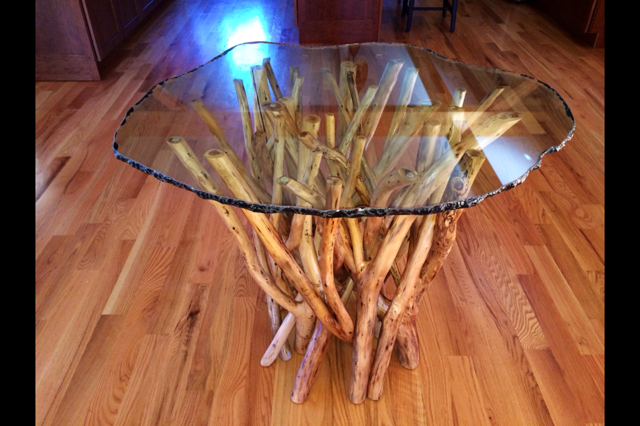
Glass top tables
View
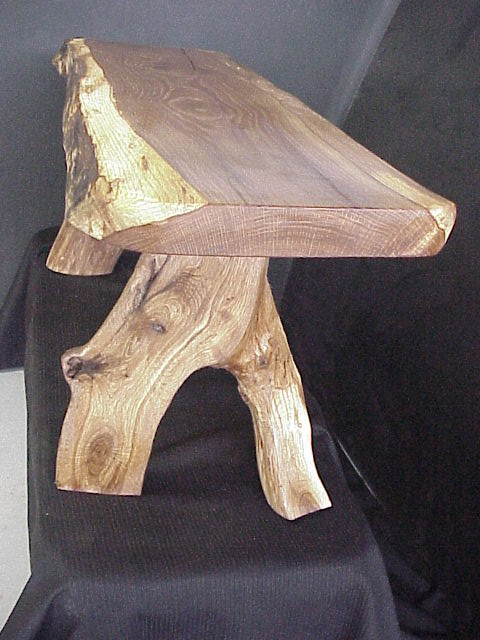
wooden top rootball table
Stump  tables
the burly figured wood of Kansas Burr Oak
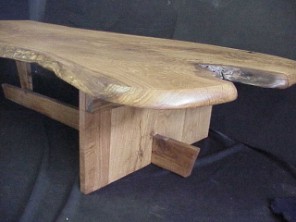
Coffee  tables
Untitled Page
Untitled Page
Phone:    (785) 658 3548 and/or
Rustic Furniture from the log - Glass Top Tables - Tree Table Sculpture P.O. Box 413, 2608 Ave. E, Wilson, Kansas, 67490, US
Copyright 1996 - 2008 - Mike Just - Rustic, natural, organic. Elegant root Furniture - Glass Top stump Tables - Art Furniture - Sculpture All images, rustic furniture design elements and other content represented on this web site are protected under United States and International copyright laws and are the sole property of Michael W. Just, unless otherwise noted. All use and/or publication rights are reserved, worldwide. All represented images and content are not in the Public Domain. No images, or furnishing designs represented on this web site may be copied, stored, manipulated, published, sold or reproduced in whole or in part without the express written permission of an authorized representative of Rustic Oak, Mike W. Just, TreeTables.com. Simply Ask.

Request a cost or ask questions by contacting us at the phone or email listed directly below. Thank you. (Mike)
The Oak log cocktail or coffee table appears simple enough but, like most good endeavor's with wood, in my shoppe, there are a series of steps followed in order to insure long term life and, to deliver to you what we call simply "the best we can do". Below is the process each of these log tables pass through.
Selection
We start with the log. Generally, I like to select hardwoods. In particular, I like the Kansas Burr Oak and, mostly because of it's excess in natural beauty. It is abundant in character. This is not to say it is the only speci with beauty. It is just consistently a log that has much much character.

Aging
The logs are then left to age. Spalt (more) is the technical term. Several years is sufficient for oak. It varies per speci.  I like to induce spalting  with applications of moisture and storing in a semi controlled environment. This process creates the unique varience in colorations and hues which extend themselves across the face of the log,  as you see in the photo above,  with color running from creme to dark cocoa browns.

Once the spalting is achieved, the logs are then ready to process further. The spalting process is halted.


Sawing and leveling
When you call or email an order the next step for the log and the first step in fulfilling your order is to cut the appropriate diameter log to length ( table height). This is done with a large chain saw.


Process of hollowing
Both the oak log table and stump tables are hollowed from underneath ( the bottom of the table)  is hollowed out. I try to leave a 3 to 4 inch thickness for walls (sides) and the top. The hollowing process allows access to the core of the log. Access thru which appropriate seasoning can take place. Failure to do this on most speci of wood can cause the log to rot from the inside out (more) .

Seasoning
I began using the word seasoning rather than "drying" during my years of wood tech research.  You may have heard within the Lumber Industry, references to "drying" or dry wood. The opposite of which is wet or "green" wood. Drying is just one method of accomplishing the seasoning process. The intended purpose a seasoning process, irregardless of methodology used to accomplish it, is to stabilize the wood against unnecessary or unwanted movement. This, such that the wood can preform it's intended design pupose. For example; you would not want a fine wooden dining table top to expand and crack to such a degree as to gather food crumbs and begin to mold. This is NOT it's intended purpose. However, it might be acceptable if the post holding up the mail box outside had such a crack as it's intended purpose is to simply hold up the mail box. Onward.

The Oak Log Table and Stump Tables have the specific purpose of being solid dining tables. We want them to last a longgg time. Generations of time. Thus, after hollowing out the core (inside), they are subjected to varying degrees of heat for varying amounts of time depending upon their hardness and moisture levels, which, by the way, are measurable using digital equipment. They are allowed to season until they reach what is called an ambient moisture level acceptable by Industy standards.


Deinfestation
Our tables are meant to be "enjoyed", admired, and to inspire.. Bugs crawling around the dining or living room floor are certainly contradictory to that purpose.  Thus, deinfestation of the log or stump is necessary. I think this is one of the more challenging steps in the overall preparation process. Our deinfestation methods include a variety of techniques;  heat (above) and professional extermination chemicals are two of the primary techniques.

Fabication
and FINALLY we get to create for you, a table within the fabrication shoppe. This, is where the fun begins!! I mean it, bringing out the beauty is a rewarding experience. More on this process will be presented later in a series of video's.